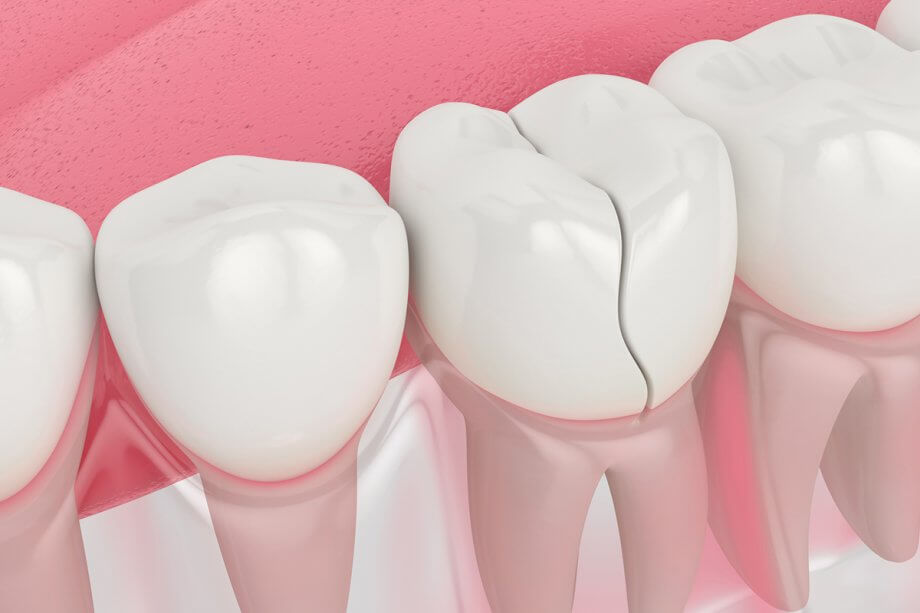
A cracked tooth can turn an ordinary day into one filled with worry. You feel a sharp twinge when you bite down, notice sensitivity to hot and cold, or spot a hairline fracture in the mirror. Naturally, the next question follows: Can a dentist save this tooth, or will it need to come out?
The honest answer is that it depends on the crack. Many cracked teeth respond well to a root canal, especially when the damage reaches the inner pulp, but the tooth still has enough healthy structure to rebuild. Other cracks run too deep or split the tooth in a way that makes a predictable repair impossible. In this article, we walk you through how we evaluate a cracked tooth, when a root canal makes sense, and when extraction becomes the safer choice for your long-term health.
How a Root Canal Saves a Cracked Tooth
Inside every tooth sits a soft core called the pulp, which holds nerves, blood vessels, and connective tissue. When a crack allows bacteria to reach the pulp, infection and persistent pain often follow. A root canal treats the problem by removing the infected tissue, cleaning and disinfecting the inner canals, and sealing the space to prevent reinfection. We then restore the tooth so you can chew comfortably again.
A crown usually follows a root canal on a cracked tooth, and for good reason. A crown covers the tooth like a protective cap, holds the remaining structure together, and reduces the chance that the crack spreads under daily biting pressure. When the fracture stays within a treatable range, removing the damaged pulp and reinforcing the tooth gives it a strong chance of lasting for years.
When a Cracked Tooth Can Be Treated
Not every crack threatens the life of a tooth. The location and depth of the fracture guide the decision more than anything else. We examine the tooth carefully, take X-rays, and sometimes use other diagnostic tools to see how far the crack travels.
A cracked tooth is often a good candidate for a root canal when:
- The crack stays above the gumline. Fractures that remain in the crown of the tooth are usually easier to seal and restore.
- Enough healthy tooth structure remains. A sturdy foundation lets us place a crown that protects the tooth.
- The pulp is affected, but the root is intact. Removing infected pulp relieves pain and clears the infection, while the root continues to support the tooth.
- The crack has not split the tooth into separate pieces. A contained fracture can often be reinforced and saved.
Catching a crack early matters a great deal. The sooner we evaluate a damaged tooth, the more likely we are to intervene before the fracture deepens. If you feel pain when biting, notice lingering sensitivity, or see a visible chip or line, prompt care gives your tooth the best odds.
When Extraction May Be Necessary
Sometimes a crack moves beyond the point where any treatment can offer a reliable, lasting fix. In those situations, holding on to a failing tooth can lead to ongoing pain, repeated infections, and damage to surrounding bone and gums. Removing the tooth and planning a replacement often protects your overall health better than attempting a repair that will not hold.
Extraction may be the right path when:
- The crack extends below the gumline. Fractures that travel into the root are far harder to seal and restore predictably.
- The tooth splits into separate segments. A vertical fracture that divides the tooth usually makes it impossible to hold the pieces together.
- Too little healthy structure remains. Without a stable base, a crown has nothing solid to anchor to.
- The fracture pattern leaves no dependable way to restore function. When a predictable repair is off the table, removal protects the rest of your mouth.
We never view extraction as a failure. After we remove a tooth, options such as implants, bridges, or dentures can restore your bite and your smile. Our goal remains the same throughout: protecting your comfort, function, and long-term oral health. Every case is unique, so we explain what we find and walk you through each choice before moving forward.
Making the Right Choice for Your Smile
A cracked tooth does not always mean extraction, and it does not always guarantee a successful root canal either. The right decision rests on the specific crack, its depth, its location, and how much healthy tooth remains. When the fracture is treatable, a root canal and crown can preserve your natural tooth. When the damage runs too deep, removal followed by a thoughtful replacement plan often serves you better.
If you suspect a cracked tooth, the best course of action is a prompt evaluation. We will examine the tooth, explain your options clearly, and recommend the path most likely to keep you healthy and comfortable. Whether that means saving the tooth or replacing it, you will know exactly why we suggest it and what to expect next.
Frequently Asked Questions About Root Canals
How do I know if my cracked tooth needs a root canal?
You may need a root canal if you feel lingering pain, sensitivity to hot or cold that does not fade, or discomfort when biting down. Those symptoms can signal that the crack has reached the pulp. Only an exam and X-rays can confirm the cause, so we recommend scheduling a visit if you notice these signs.
Is a root canal painful?
We perform a root canal with local anesthesia, so most patients feel little to no pain during the procedure. Many people compare the experience to having a routine filling placed. Mild soreness afterward is normal and usually eases within a few days.
Will I need a crown after a root canal on a cracked tooth?
In most cases, yes. A crown covers and protects the treated tooth, helps hold the structure together, and reduces the risk of the crack spreading. Whether a crown is needed depends on the tooth and your individual situation.
What happens if I wait too long to treat a cracked tooth?
Delaying care can allow the crack to deepen and bacteria to spread, which may lead to infection, abscess, or a fracture that reaches below the gumline. A treatable crack can become one that requires extraction. Early evaluation gives your tooth the best chance of being saved.
Can every cracked tooth be saved?
No. Many cracked teeth respond well to a root canal, but some fractures extend too far, split the tooth, or leave too little healthy structure to restore. When a predictable repair is not possible, extraction followed by a replacement option is often the healthier choice.
At the office of Dr. Todd Paczewski, we provide comprehensive dental care in Forty Fort, Pennsylvania, serving residents of Wilkes-Barre, Kingston, Dallas, Scranton, and Back Mountain, Pennsylvania. From routine cleanings to root canals and restorative treatments, we focus on keeping your smile healthy and comfortable. If you have a cracked tooth or any dental concern, please reach out to us.