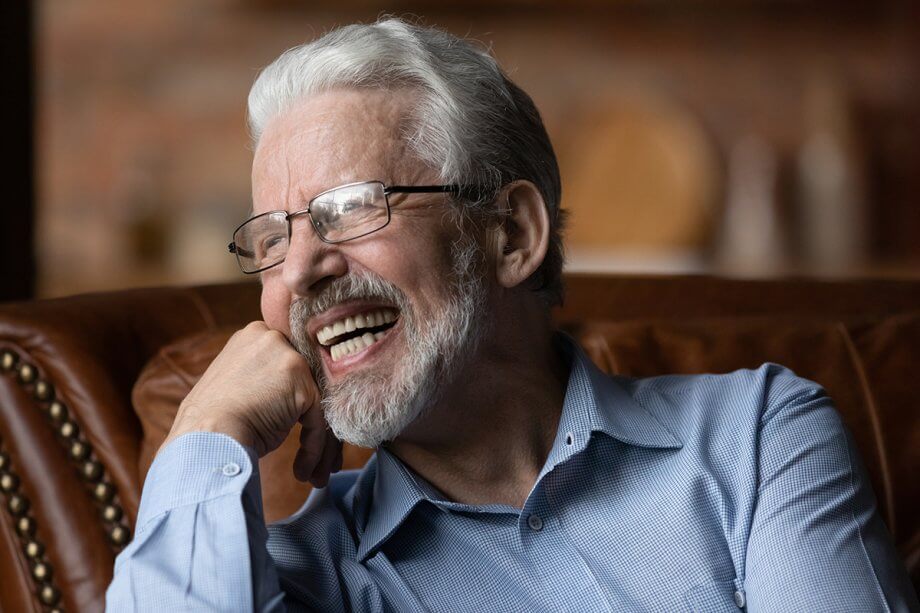
Age brings wisdom, experience, and, unfortunately, a few more health considerations than we faced in our youth. When we discuss tooth replacement with our patients in Northeastern Pennsylvania, many hesitate because of the number on their birth certificate. They often assume that passing a certain age milestone—be it 60, 70, or 80—closes their window for effective restorative dentistry. We want to dispel that myth immediately. Modern dentistry offers a much more optimistic picture for seniors who want to restore their smiles.
As we age, our bodies change, but the fundamental biological processes that help dental implants bond with bone stay remarkably strong. We treat patients of all ages, from young adults healing after sports injuries to seniors in their 90s, who all complete implant procedures successfully. Chronological age rarely stands as the main factor; instead, specific health conditions associated with aging play a larger role. In this guide, we explore how aging influences the outcome of implant surgery and explain why you are likely still a strong candidate for implants.
The Biology of Osseointegration in Older Adults
Osseointegration determines whether an implant succeeds. In this process, living bone cells attach directly to the titanium surface of the implant and lock it in place as a new root. You might assume older bone heals too slowly for successful integration, but scientific evidence proves otherwise. Studies consistently show that age alone does not significantly limit the body's ability to fuse with titanium implants.
Bone Density vs. Bone Healing Potential
We need to distinguish between bone density and healing potential. Bone density can decrease with age—especially in post-menopausal women—but bone can still heal and integrate with an implant throughout life. Our cells continue to regenerate, though sometimes at a slightly slower pace. An older patient may need a bit more time for healing before we place the final crown, but the ultimate bond between bone and implant remains just as strong as in a younger patient.
Success Rates Across Generations
Research confirms our clinical observations. A study in the International Journal of Oral and Maxillofacial Implants found no statistically significant difference in implant survival rates between patients aged 75 and older and younger control groups. In fact, older patients often follow postoperative care instructions more closely and maintain better oral hygiene, which can boost success rates. We notice that our senior patients in Northeastern PA feel highly motivated to protect their investment, which leads to excellent long-term outcomes.
Managing Age-Related Health Conditions
The number of candles on your birthday cake matters less than your medical history. As we age, we often develop chronic conditions that influence surgery and healing. However, a chronic condition does not automatically disqualify you from receiving dental implants. Instead, we take extra precautions and work closely with your primary care physician to protect your safety.
Diabetes and Implant Success
Type 2 diabetes affects many older adults and has raised major concerns for implants. High blood sugar levels can slow healing and increase the risk of infection. However, well-controlled diabetes creates a much better outlook. If you manage your glucose effectively through diet, medication, or insulin, you can expect implant success rates that match those of non-diabetic patients. During your consultation, we check your HbA1c levels to confirm that your body is able to handle the procedure.
Osteoporosis and Bisphosphonates
Osteoporosis affects many of our older patients and raises concerns about jawbone strength. Although systemic bone loss matters, the jaw usually retains enough density for implants even when other bones become fragile. The medications used to treat osteoporosis, specifically bisphosphonates, require more attention than bone density alone. Occasionally, these drugs interfere with jaw healing. We thoroughly review your medication list. If you have taken oral bisphosphonates for less than five years, you face very little risk. If you have used them longer, we will adjust the treatment plan or order blood tests as needed, but we rarely rule out implants solely for this reason.
The Impact of Lifestyle and Gum Health
Biological age stays the same, but how we care for our mouths and the choices we make influence our health. We often meet younger patients with advanced gum disease and older patients with pristine gum tissue. The condition of your mouth where we place the implant matters more than your age. Smoking and periodontal disease, two major risk factors for implant failure, can cause problems at any age. We help you address and manage both to support implant success.
Smoking and Healing in Seniors
Smoking narrows blood vessels and limits blood flow to your gums and bone. Proper blood flow delivers the oxygen and nutrients necessary for osseointegration. Older adults who have smoked for decades often experience compromised oral circulation. We strongly recommend quitting smoking before surgery. Even taking a break from smoking during the initial healing weeks greatly improves your outcome. We guide and support you through this process. We know breaking a long-term habit is tough, but restoring your smile makes the effort worthwhile.
Periodontal Maintenance for Long-Term Stability
Gum disease (periodontitis) causes most adult tooth loss and stands as the main threat to dental implants. Cavities do not harm implants, but peri-implantitis—a type of gum disease—attacks the supporting bone. Many older adults face dexterity issues, like arthritis, which make flossing more difficult. We recommend specific tools, such as water flossers or electric toothbrushes, to make hygiene easier. We always treat and resolve active gum disease before placing implants; we consider this step essential in our protocol.
Quality of Life Considerations for Seniors
When we look at success rates, we focus on clinical data—implant survival, bone levels, and freedom from infection. For our patients in Northeastern PA, though, "success" means something more personal. It means you can eat a steak at a family barbecue, speak clearly without dentures slipping, and smile proudly at a grandchild’s graduation. The psychological and functional benefits of implants for seniors create a profound, positive impact on overall well-being.
Nutrition and Digestion
Digestion starts in the mouth. As we age, our nutritional needs change, so we need to maintain muscle mass and bone density with a diet rich in proteins and vegetables. Traditional dentures reduce chewing efficiency by up to 75%, forcing many seniors to choose soft, processed foods that lack nutritional value. Implants give you near-natural chewing force, allowing you to enjoy a varied, nutrient-dense diet that supports better overall health, energy levels, and longevity. Success means more than a stable tooth—it means a healthier body.
Social Confidence and Mental Health
Social isolation puts seniors at real risk. Embarrassment about missing teeth or loose dentures often causes people to withdraw from social interactions, stop dining out, or avoid conversations. Withdrawing in this way worsens cognitive decline and increases the risk of depression. When we provide a stable, permanent solution, our older patients stay socially active and engaged. Their self-esteem rises immediately. We witness real transformation in our office—patients who once hid their mouths leave beaming. Restoring dignity in this way defines true success.
It's Never Too Late to Restore Your Smile
If you have heard that you are "too old" for dental restoration, or if you have believed it yourself, reconsider that idea. Age represents only a number; your health determines your options. Modern dental technology, thoughtful planning, and careful medical management allow us to offer implants as a successful option for patients well into their 80s and 90s. The benefits—better nutrition and greater confidence—far outweigh the minimal risks that may come with age.
We evaluate every patient as an individual. We look at your bone quality, your medical history, and your personal goals. We never make a decision based on your birth date. You deserve to spend your golden years enjoying life, not worrying about your teeth. With the right care, your smile stays just as vibrant and functional as it was decades ago.
Frequently Asked Questions About Dental Implants
Is recovery from dental implant surgery more difficult for older patients?
Recovery times do vary by individual, but older patients usually feel no more pain or difficulty than younger patients. Most people manage discomfort easily with over-the-counter medication. Seniors may notice that soft tissue requires a few extra days to heal fully, but bone healing (osseointegration) proceeds well as long as no uncontrolled conditions, such as diabetes, interfere. We check in with our older patients regularly to make sure healing stays on track.
Will Medicare cover the cost of my dental implants?
Original Medicare (Part A and Part B) does not cover routine dental care or dental implants. However, some Medicare Advantage (Part C) plans provide partial coverage for dental procedures. Check the specifics of your plan to confirm what it includes.
At the office of Dr. Todd Paczewski, we proudly serve the Northeastern Pennsylvania community, helping neighbors of all ages achieve optimal oral health. We create personalized care plans that respect your unique history and goals. If you feel ready to explore whether implants are right for you, reach out to us to schedule your consultation.