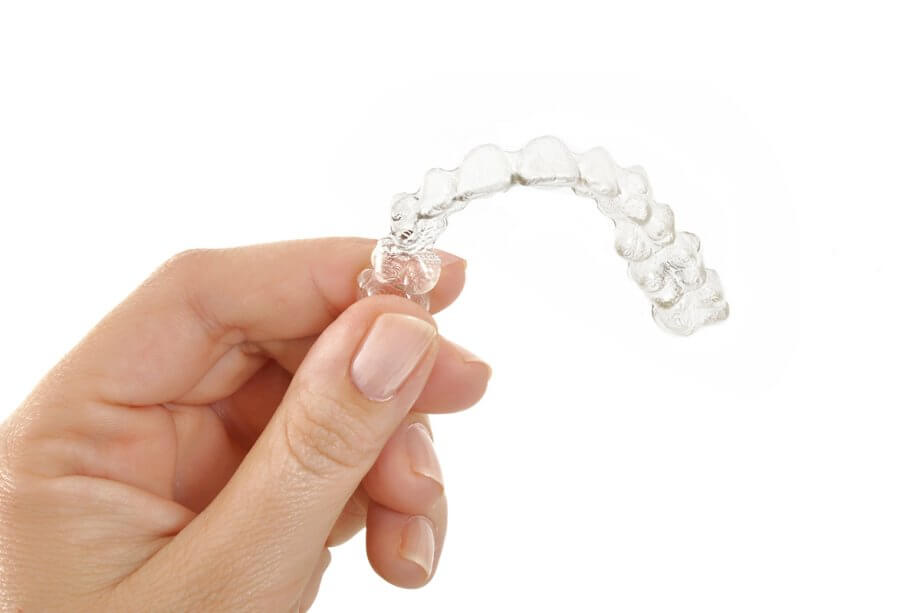
When most people think about clear aligners, they picture a cosmetic fix for a slightly crooked smile. It is easy to assume that this technology is strictly for minor adjustments—straightening a front tooth here or closing a small gap there. However, for our patients in Northeastern PA, the reality is much more profound. While achieving a perfectly straight smile is a tremendous benefit, the true power of modern aligner therapy lies in its ability to correct complex bite issues, also known as malocclusions.
We often see patients in our practice who believe they are not candidates for clear aligners because of an overbite, underbite, or crossbite. They assume that traditional metal braces are their only option for functional correction. Fortunately, advancements in dental technology have changed the landscape entirely. We want to explore how this treatment goes far beyond cosmetic straightening to address the functional foundation of your oral health: your bite.
Understanding Malocclusion and Why It Matters
A "bad bite," or malocclusion, refers to the misalignment of your teeth when your jaws are closed. This issue isn't just about how your smile looks in photos; it is fundamentally about how your teeth function together. When your upper and lower teeth do not fit together correctly, it puts stress on your jaw muscles and causes uneven enamel wear. Over time, this can lead to significant dental problems that go beyond aesthetics.
The Different Types of Bite Issues
There are several common bite issues that we treat regularly. An overbite (or deep bite) occurs when the upper front teeth overlap significantly with the lower front teeth. While some overlap is normal, a deep bite can cause the lower teeth to bite into the roof of the mouth or wear down the lower front teeth prematurely. Conversely, an underbite occurs when the lower teeth protrude past the upper front teeth, often due to the lower jaw growing more than the upper jaw.
We also treat crossbites, where some of your upper teeth sit inside your lower teeth when you close your mouth. This condition can cause teeth to chip and may lead to gum recession. Finally, an open bite is when the upper and lower teeth do not touch when the mouth is closed, which can make chewing difficult and affect speech.
The Consequences of Ignoring Bite Issues
Leaving these issues untreated can lead to a cascade of oral health problems. Misaligned bites often result in Temporomandibular Joint (TMJ) disorders, leading to chronic jaw pain, headaches, and clicking sounds when opening the mouth. Furthermore, when teeth do not meet correctly, the force of chewing is not distributed evenly. This misalignment can cause tooth fractures, severe enamel erosion, and increased susceptibility to periodontal disease, as crowded or misaligned teeth are harder to clean effectively.
How Clear Aligners Correct Complex Bites
Many of our patients are surprised to learn that Invisalign® is a powerful tool for correcting these structural issues. It is not just a piece of plastic; it is a sophisticated medical device designed to exert controlled force on specific teeth at specific times. The technology has evolved significantly over the last two decades, allowing us to treat cases that were once the exclusive domain of metal brackets and wires.
SmartForce Features and Attachments
The secret to fixing bite issues with clear aligners lies in the "attachments." These are small, tooth-colored shapes made of dental bonding material that we place on your teeth. They act as handles, providing the aligners with something to push against to achieve complex movements. For example, if we need to rotate a tooth or pull it down to fix an open bite, these attachments provide the necessary leverage. This force allows the aligners to precisely direct force where it is needed to align the jaw and teeth correctly.
Precision Wings and Elastics
For more significant bite corrections, such as Class II malocclusions (severe overbites), the aligners can be designed with "precision wings." These features help position the lower jaw forward, gradually correcting the bite relationship. Additionally, just like with traditional braces, we can use rubber bands (elastics) in conjunction with clear aligners. Small buttons or cutouts on the aligners allow you to wear elastics that apply the necessary force to correct overbites or underbites, ensuring the upper and lower arches fit together in harmony.
The Advantages of Treating Bite Issues with Aligners
Choosing clear aligners for bite correction offers distinct advantages over traditional orthodontics, particularly for our adult and teen patients in Northeastern PA who value discretion and convenience. The most obvious benefit is the aesthetic appeal—you can correct a serious dental issue without the visual prominence of metal braces. However, the benefits extend into hygiene and comfort as well.
Improved Oral Hygiene During Treatment
One of the biggest challenges with treating bite issues using metal braces is keeping the teeth clean. Brackets and wires create countless hiding places for food particles and plaque, which can be challenging to remove, especially when gums are inflamed from malocclusion. Because clear aligners are removable, you can brush and floss normally. This is critical when correcting bite issues, as maintaining healthy gums is essential for the teeth to move safely and settle into their new positions.
Comfort and Lifestyle Compatibility
Correcting a bite issue involves moving not just the teeth but also influencing the relationship between the jaws. This process can be uncomfortable with traditional appliances that may poke or irritate the cheeks and gums. Clear aligners are made from smooth, medical-grade plastic, reducing the risk of soft-tissue irritation. Furthermore, because there are no emergency visits for broken wires or loose brackets, the treatment fits more seamlessly into busy schedules. We find this particularly helpful for our patients who have active lifestyles or demanding jobs.
Prioritizing Long-Term Health and Stability
Addressing a bite issue is an investment in your future health. When we correct a malocclusion, we are essentially protecting your teeth from decades of potential damage. A balanced bite means chewing forces are evenly distributed, reducing the risk of cracked teeth and the need for expensive restorative work later in life, such as crowns or implants.
Stability and Retention
Once the active phase of treatment is complete and the bite is corrected, retention becomes key. We ensure that the new, healthy relationship between the upper and lower jaws is maintained. The stability of the bite is actually better when the teeth fit together like gears in a machine; they support each other. By achieving this "lock," the results are more likely to be permanent, provided retainers are worn as directed. We are committed to monitoring this phase closely to ensure your investment lasts a lifetime.
Frequently Asked Questions About Invisalign
Can Invisalign really fix a severe overbite or crossbite?
Yes, in many cases, it absolutely can. While every patient is different, advancements in aligner technology enable us to treat moderate to severe bite issues effectively. We use specific features, such as SmartForce attachments and inter-arch elastics, to achieve the necessary jaw and tooth movements. However, for highly complex surgical cases, we would conduct a thorough examination to determine if a combination of treatments is required.
Is treatment time longer for bite issues than for simple straightening?
Correcting a bite issue generally takes longer than simple cosmetic straightening because we are moving the roots of the teeth and altering how the jaws meet, rather than just tipping the crowns. While a simple cosmetic case might take 6 months, correcting a bite issue can take 12 to 24 months, depending on the severity. We provide a customized timeline during your initial consultation so you know exactly what to expect.
At Dr. Todd Paczewski’s practice, we proudly serve the Northeastern PA community by providing exceptional dental care tailored to your unique needs. Our team focuses on utilizing the latest technology to ensure every patient achieves a healthy, functional, and beautiful smile. To learn more about how we can help you, please contact us.